
Katatetsu Roman Route

The Katatetsu Roman Kaidou Route (片鉄ロマン街道, designed Okayama Prefecturial Route 703) is a scenic cycling path in Okayama Prefecture that follows the former Katakami Railway line. Stretching about 22 kilometers between Akaiwa and Wake, this peaceful route takes riders through quiet countryside, rolling hills, and charming rural villages.
With gentle inclines and well-maintained paths, it’s an accessible ride for cyclists of all levels. Along the way, you can enjoy seasonal flowers, old railway relics, and glimpses of local life. The Katatetsu Roman Kaidou Route offers a relaxing and nostalgic journey, perfect for those looking to explore the scenic side of Okayama at a leisurely pace.
The Route
It has a dedicated cycle path from Wake station on the Sanyo main line North. A few sections are a side walk but the vast majority is grade separated and a nice and gentle ride
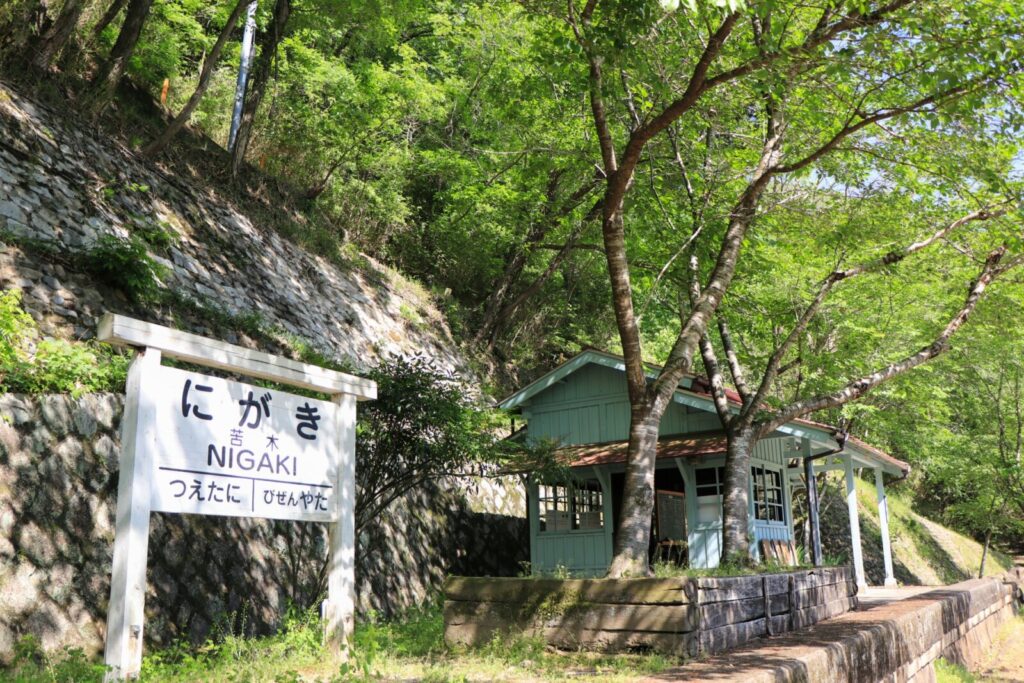
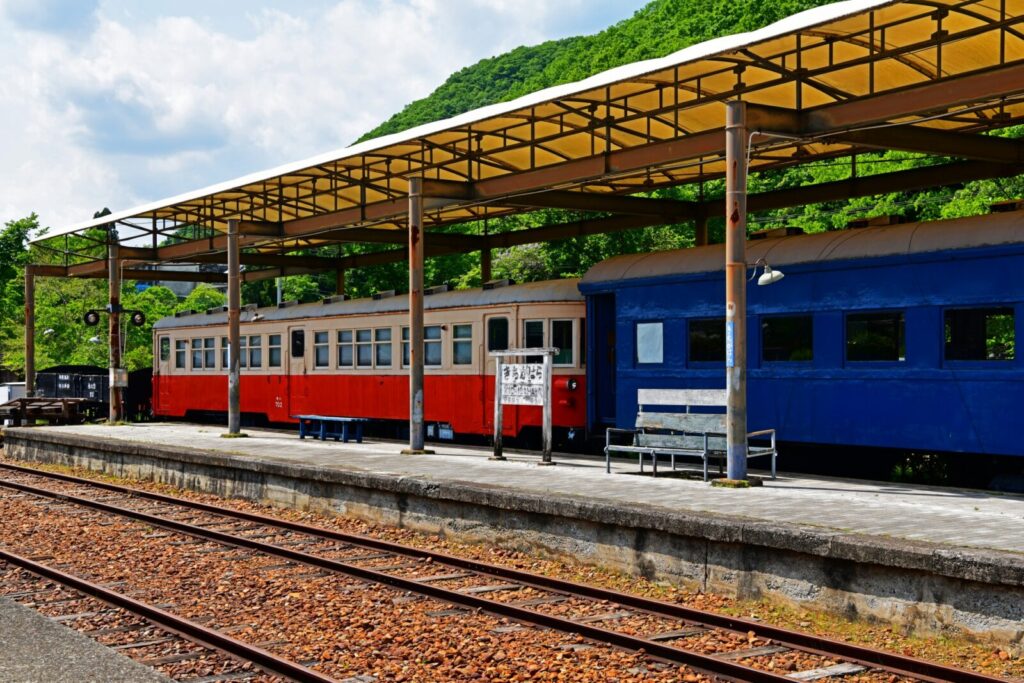
The north end of the cycling path is at Kitchigahara station which still has the platform and some rails in place as well as some of the old rolling stock.
Getting there and away
South end
The grade separated end is near Wake station on the Sanyo Main Line with trains every half hour or so.
The far south of the route is near Hinase Station station on the Ako Line which also connects to Okayama with trains every hour.
North End
At the north end of the route, there isn’t a trian connection (as the route is an old rail line) however, Tsuyama is approximately 20 kilometeres further North with low-traffic options to get there.
Tsuyama
Tsuyama is a small city in northern Okayama Prefecture, historically developed as a castle town in the Chūgoku Mountains.
Its inland location has preserved a calm, local atmosphere distinct from coastal tourist centers.
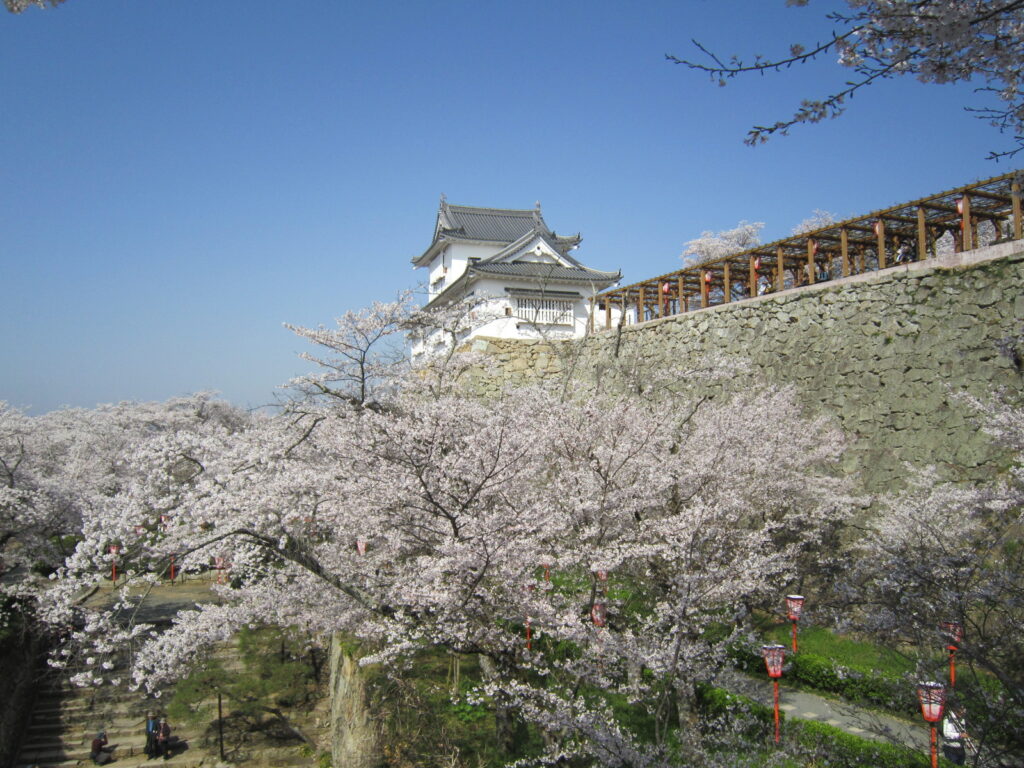
The city’s main landmark is Tsuyama Castle, where impressive stone walls remain atop Mount Kakuzan.
The surrounding Kakuzan Park is especially well known for cherry blossoms in early spring.
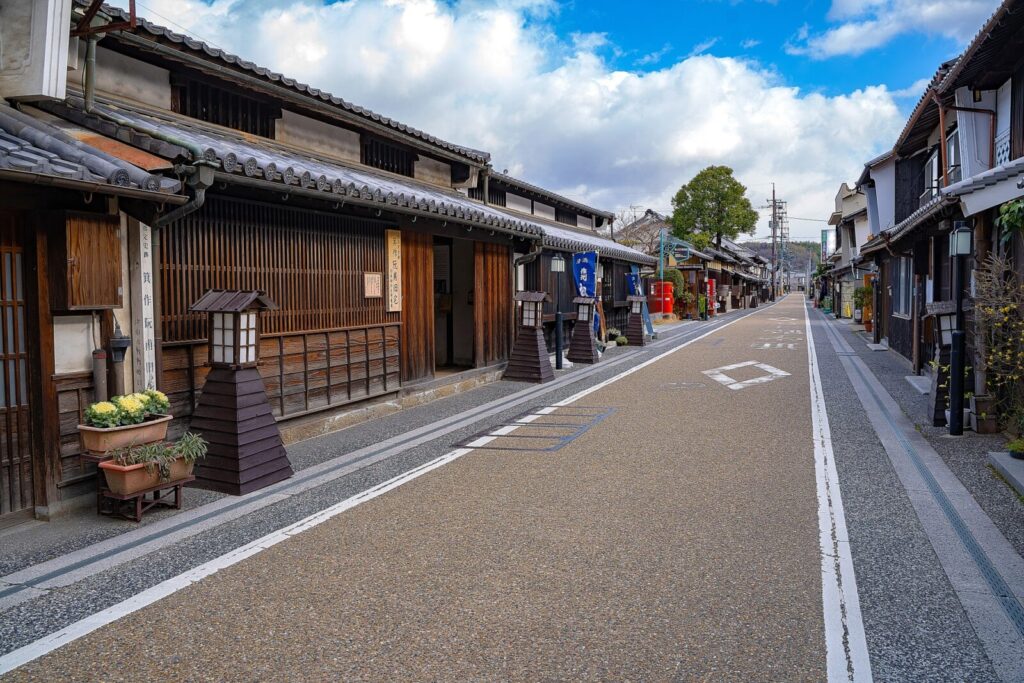
Tsuyama’s Jōtō district retains Edo-period streets lined with traditional townhouses and storehouses.
Nearby Shūraku-en Garden, built in the 17th century, offers a refined example of a feudal strolling garden.
Several small museums introduce the region’s history and its role in Edo-period scholarship.
Tsuyama is also known for its food culture, particularly horumon (grilled offal) dishes linked to local cattle farming.
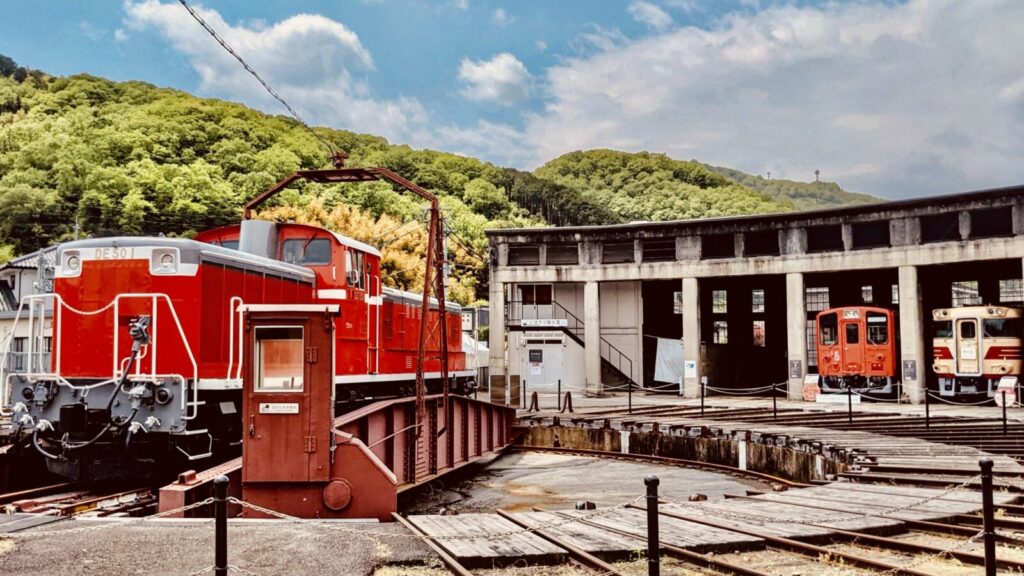
Tsuyama also has a railway museum near the main trian station.
Tsuyama is reachable by train from Okayama in about 90 minutes with hourly train service with a few rapid services connecting the cities in about 75 minutes.
